How “I’ll Decide Later” Became Your House’s Setting.
Clutter builds for a few simple reasons: we buy more than we need, avoid hard decisions, hold on for emotional reasons, and lack easy systems to keep things flowing.
DECLUTTERING & HOME ORGANIZING
Laura Jaume
2 min read
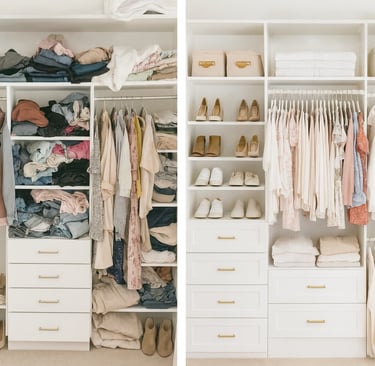
Why we end up with too much stuff
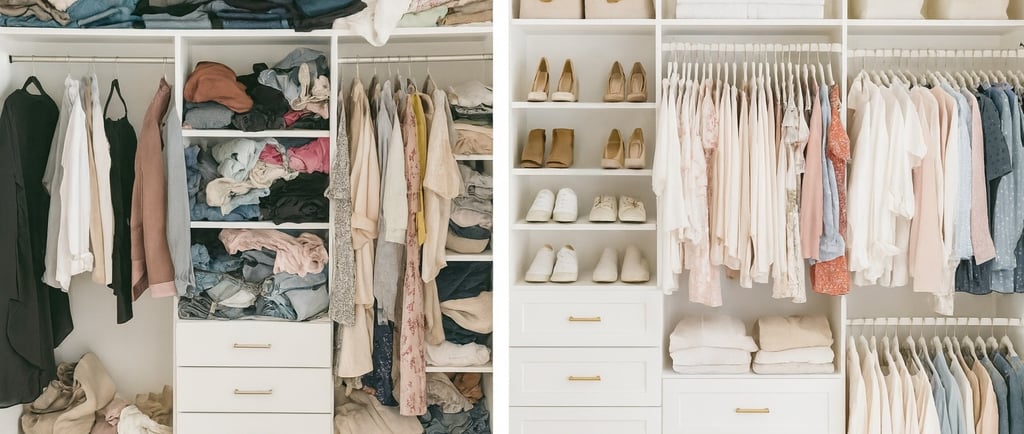
Most of us don’t set out to live with clutter. We live in a culture that encourages buying—new products, seasonal trends, and “just in case” solutions—so possessions accumulate faster than we can sort them. At the same time, life gets busy and decisions get postponed, and those postponed choices become piles.
A story you might recognize
Imagine a weekend morning: you open a closet to find a jumble of boxes, a sweater you forgot you owned, and a stack of unopened manuals. You tell yourself you’ll sort it later, but later becomes next weekend, then next month. That small “I’ll decide later” moment is how clutter grows: one deferred decision at a time.
The brain reasons behind it
Procrastination and decision fatigue are major drivers. When choices feel overwhelming, the brain avoids them, so we delay sorting or donating items. Emotional attachments also play a role—objects can hold memories, identity, or the hope of future use—so letting go feels like losing a piece of ourselves. These psychological patterns are common and explain why tidy intentions often stall.
How clutter affects how you feel
Clutter isn’t just a visual problem; it affects mood and stress. Living with excess items can increase anxiety and make it harder to relax at home. That’s why clearing space often feels like a relief: it reduces mental load and makes daily life easier.
Common triggers you’ll see in your home
“Just in case” thinking—keeping things for hypothetical future needs.
Duplicate purchases—buying because you can’t find what you already own.
Sentimental holding—keeping items for memory rather than use.
No systems—no clear place for things to live, so they pile up.
These triggers are familiar and fixable once you spot them.
A kinder way to start clearing
Begin with small, repeatable rules: set a timer, pick one category (like books or kitchen tools), and use a simple decision method—keep, share, or nowhere. Make three quick choices per item: keep it, share it with someone who’ll use it, or send it to nowhere (donate/recycle/discard). Small wins build momentum and reduce the emotional weight of big edits.
Clutter is rarely about laziness; it’s about systems, emotions, and the way our brains handle choices. When you replace overwhelm with tiny, repeatable habits, your home becomes easier to manage and more peaceful to live in.